
20 Best Wooden Kitchen Utensils
Having reviewed kitchen tools for over a decade in the US and Europe, I have seen every trend come and go. Lately, there is a distinct return to wooden kitchen utensils among serious cooks. This isn’t just about the classic aesthetic; it’s a response to the melting points and chemical concerns of modern plastics.
In my experience, wood remains the only material that offers a perfect balance of heat resistance and safety for high-end cookware. This guide focuses on why high-quality wood is a superior daily choice for those who value durability and natural performance in a busy household.
Why Wooden Kitchen Utensils Are Gaining Popularity
There is a growing movement away from “disposable” kitchenware toward tools that last. Wooden kitchen utensils represent a shift back to natural, non-toxic materials that don’t leach chemicals at high temperatures.
Many homeowners now prioritize sustainability and organic materials over cheap synthetics. Wood fits perfectly into the modern, warm kitchen aesthetic while providing a tactile, grounded feeling during the cooking process.
The rise of artisanal cooking also plays a major role. Cooks are rediscovering that a hand-finished wooden spoon offers better balance and weight than mass-produced plastic, making it more satisfying to use daily.
Benefits of Wooden Kitchen Utensils in Modern Homes
One major benefit is the natural heat resistance wood provides. Unlike metal, it doesn’t conduct heat to the handle, and unlike plastic, it will never melt or warp against a hot pan.
Wood is also incredibly gentle on expensive cookware surfaces. It is the safest choice for non-stick or ceramic-coated pans, ensuring you don’t scratch or ruin your investment during vigorous stirring or scraping.
Lastly, wood is surprisingly hygienic. Its porous nature actually traps bacteria and deprives it of oxygen, leading to higher natural kill rates than synthetic materials, making it a healthy choice for any home.
Popular Types of Wooden Kitchen Utensils
The standard wooden spoon is a kitchen workhorse, essential for stews and baking. However, “spurtles” are becoming popular for their ability to stir and scrape flat-bottomed pots with more precision than round spoons.
Wooden spatulas and turners are also gaining ground, especially for cast-iron users. They are rigid enough to flip heavy foods but soft enough to deglaze a pan without damaging the seasoned surface.
Specialty tools like salad hands, pasta forks, and honey dippers add specific utility. These items are often crafted from exotic woods like olive or acacia, adding a touch of luxury to the dining table.
Are Wooden Kitchen Utensils Practical for Everyday Use?
Wood is remarkably practical because it is nearly indestructible under normal conditions. While it requires hand-washing, the durability it offers far outweighs the few seconds saved by using a dishwasher with plastic tools.
For daily use, wood is a “living” material that actually improves over time. As you use it, the wood develops a smooth patina and a shape that naturally conforms to your specific cooking habits.
The only real requirement for practicality is a quick dry after washing. If you avoid soaking them in the sink, these tools can easily handle the rigors of a high-volume, professional-style home kitchen.
Pros of Choosing Wooden Kitchen Utensils
Choosing wood is a vote for sustainability. As a renewable and biodegradable resource, wooden tools have a much lower environmental impact than plastic alternatives that eventually end up in a landfill.
The longevity of wood is another significant advantage. A high-quality hardwood spoon can last for decades, becoming a sentimental heirloom rather than a replaceable commodity. It is an investment in long-term quality.
Ergonomically, wood offers a superior grip. It stays “grippy” even when your hands are oily or wet, providing better control and reducing hand fatigue during long periods of stirring or food preparation.
Things You Should Keep in Mind While Using Wooden Kitchen Utensils
The biggest category-level drawback is the maintenance. Wood cannot go in the dishwasher, as the high heat causes it to crack and split, requiring a commitment to hand-washing and drying.
Wood can also absorb strong flavors and colors if not cleaned quickly. A spoon used for a heavy garlic sauce or turmeric-rich curry might retain a scent or a slight yellow stain.
Over time, wood can dry out and become rough. This requires the occasional application of food-grade mineral oil to keep the fibers hydrated and smooth, which may feel like an extra chore for some.
Common Mistakes Buyers Make
A frequent mistake is buying bamboo thinking it is a hardwood. Bamboo is actually a grass; it is much more prone to splintering and fraying over time compared to teak or maple.
Many buyers also fall for utensils with glossy chemical lacquers. These finishes can peel off into your food when exposed to high heat, so it is always better to choose oil-finished tools.
Lastly, people often buy utensils made of glued-together wood scraps. These are far more likely to snap at the seams. Always look for “solid-piece” or monoblock construction for maximum strength and safety.
Best Wooden Kitchen Utensils
1. FAAY Teak Wooden Spoon Set

Using flimsy plastic spoons often leads to bending when stirring thick stews or heavy batters. This creates a frustrating lack of control and often results in unevenly mixed ingredients during meal prep.
The FAAY Teak Set provides incredible rigidity and natural moisture resistance. The workflow becomes much smoother as the solid teak holds its shape, allowing for deep, powerful stirring without any fear of snapping.
This set is best suited for traditional home cooks who prepare large family meals and need a reliable, heavy-duty teak tool that can handle thick recipes like chili, risotto, or bread dough.
2. OXO Good Grips 3-Piece Wooden Spoon Set

Small, thin handles can cause significant hand fatigue during long cooking sessions. Most standard wooden spoons have flat, sharp edges that dig into your palm, making the cooking process uncomfortable and taxing.
The OXO Good Grips set features solid beech wood with contoured handles for a natural grip. The movement feels effortless, allowing for better visibility and control as you navigate around your cookware.
This set is best suited for daily cooks who prioritize ergonomics and comfort, particularly those with smaller hands or anyone who finds traditional straight-handled wooden spoons difficult to grip securely.
3. Le Creuset Venus Small Silicone Spatula with Wood Handle

All-silicone spatulas often feel too “floppy” when trying to scrape thick sauces or move heavy ingredients. The lack of a solid core makes it difficult to apply the pressure needed for cleaning.
The Le Creuset Venus utilizes a sturdy wood handle to provide a non-slip base for its high-grade silicone head. This combination offers perfect access to tight corners while maintaining the structural integrity for lifting.
This hybrid tool is best suited for bakers and sauce makers who need the flexibility of silicone for scraping but want the classic, rigid feel of a wooden handle for stability.
4. Neet Organic Bamboo Cooking Utensils (6-Piece)

Inexpensive plastic sets often melt if left resting on a hot pan, creating a mess and potential safety hazard. Replacing these tools every few months is both expensive and wasteful for homeowners.
The Neet Organic Bamboo set offers high heat resistance and a lightweight feel that makes daily tossing easy. They provide a smooth, non-stick-safe surface that integrates perfectly into a fast-paced, modern kitchen.
This set is best suited for budget-conscious buyers and students who want a complete, eco-friendly bamboo starter kit that covers all the basics without the risk of melting or damaging their cookware.
5. Earlywood Large Flat Sauté Tool

Standard rounded spoons struggle to scrape the bottom of flat pans, leaving flavorful “fond” stuck and wasted. This lack of contact makes deglazing difficult and often results in burnt bits of food.
The Earlywood Sauté Tool acts like a heavy-duty scraper and turner in one. It improves visibility and movement across the pan surface, making it incredibly easy to flip steaks or stir-fry vegetables effectively.
This tool is best suited for professional-level home chefs who cook primarily in cast iron or stainless steel and need a powerful, multi-functional hardwood tool for high-heat sautéing and pan-searing.
6. Mad Hungry 4-Piece Original Spurtle Set

Traditional spoons are often too bulky to reach into the narrow corners of smaller pots or jars. This leads to wasted food and frustration when trying to stir or serve specific ingredients.
The Mad Hungry Spurtle set allows for better access and movement in confined spaces. These acacia wood tools function as both whisks and spoons, streamlining your workflow by reducing the number of tools.
This set is best suited for versatile cooks who enjoy making everything from morning oatmeal to evening stews and want a space-saving, multi-purpose acacia set that replaces several traditional kitchen utensils.
7. Greener Chef Extra Large Bamboo Chopping Board

This 30 x 20 Greener Chef board provides a massive, professional workspace for carving turkey or BBQ. The premium organic bamboo is naturally non-abrasive, protecting your knife edges while remaining resistant to stains and odors.
Its durable butcher-block construction offers a stable, heat-resistant surface that simplifies large-scale chopping.
This sustainable wooden chopping board improves kitchen workflow and includes lifetime replacements, making it a high-quality, long-term upgrade for any home chef.
8. Eddingtons Italian Olive Wood Spoon

Generic wooden spoons often look dull and unappealing, making them feel like a chore to use. Over time, low-quality wood can become porous and start to retain unpleasant odors from previous meals.
The Eddingtons Olive Wood Spoon is naturally resistant to odors and staining. The tight Italian olive grain provides a smooth, premium feel that makes the act of stirring feel more intentional and high-end.
This spoon is best suited for culinary enthusiasts who appreciate high-end European craftsmanship and want a beautiful, functional olive wood tool that can transition from the cooking pot to the serving bowl.
9. Ironwood Gourmet Acacia Wood Salad Hands

Using long-handled tongs to toss a salad often results in crushed greens and unevenly distributed dressing. It is a clumsy process that makes serving large bowls of salad messy and difficult.
The Ironwood Gourmet Salad Hands allow for a gentle, thorough tossing motion that keeps greens fresh. They provide excellent visibility and comfort, making it easy to serve perfect portions with acacia wood elegance.
These are best suited for those who frequently host dinner parties or prepare large family salads and want a stylish, effective acacia tool that makes serving feel more graceful and efficient.
10. Berard France Handcrafted Cherry Wood Spatula

Mass-produced wooden tools often have rough edges and inconsistent shapes that feel “cheap” in the hand. These imperfections can make precise tasks like folding egg whites or scraping bowls feel clunky.
The Berard Handcrafted Spatula features a silky-smooth cherry finish and a perfectly balanced weight. The tapered edge provides excellent access under delicate foods, making the overall cooking workflow feel much lighter and precise.
This spatula is best suited for bakers and refined cooks who value the light weight and smooth texture of French cherry wood for delicate tasks like making omelets or folding cake batter.
11. Universal Wooden Pot Handle

This premium wooden pot handle is a high-quality replacement for your cookware. The solid hardwood stays cool to the touch, eliminating the need for bulky oven mitts while you cook.
Its ergonomic design offers a secure, non-slip grip. The contoured shape reduces hand fatigue, allowing for more precise movement and better control when handling heavy pots and pans.
This sustainable handle outlasts plastic alternatives and resists heat damage. It is a durable, professional-grade upgrade that adds organic elegance and long-lasting safety to your kitchen.
12.Natural Foldable Black Walnut Wooden Trivet Set

This Black Walnut Wooden Trivet Set is a premium, handcrafted solution for protecting your surfaces from extreme heat. The solid walnut is exceptionally durable and resists warping, unlike silicone. Its smooth, polished finish ensures your delicate tables remain scratch-free.
The innovative foldable design improves kitchen workflow with a gravity-sensing mechanism that automatically unfolds into a stable 8-inch shield. This heat-resistant barrier safely supports hot pots and teapots, preventing unsightly burns while keeping your workspace organized.
When not in use, the four trivets store on a vertical stand, appearing like an organic wooden tree. This compact, sustainable set saves counter space and adds professional-grade elegance to your home, making it a perfect functional decor piece.
13.Wooden Measuring Cups and Spoons Set – Solid Acacia Wood

Finding accurate measurements for dry ingredients can be a struggle with cheap plastic sets that bend or snap under pressure. Many standard cups also have printed markings that fade over time, leading to guessing games and ruined recipes during intensive baking sessions.
This 8-piece premium acacia set offers a high-quality solution with its solid wood construction and permanent laser-engraved markings. The nesting design ensures optimal kitchen functionality by saving drawer space, while the durable acacia wood remains naturally resistant to stains and flavor absorption.
These tools are best suited for home bakers who value both precision and organic aesthetics. This professional-grade set provides a tactile, non-abrasive experience that is gentle on your glass mixing bowls, making it a sustainable and long-lasting upgrade for your daily cooking workflow.
14. Woodard & Charles Olive Wood Honey Dipper

Using a metal spoon to drizzle honey often results in a sticky mess on the counter and uneven distribution. Honey tends to slide off flat surfaces before reaching its destination.
The Woodard & Charles Honey Dipper uses deep olive wood grooves to trap honey for a controlled drizzle. The visibility and movement are much more precise, keeping your kitchen surfaces entirely clean.
This specialty tool is best suited for tea drinkers and bakers who use honey daily and want a mess-free, elegant olive wood way to incorporate it into their food and drink rituals.
15.Wooden Ladle for Soup, 3 Size Teak Wood Ladle Spoon
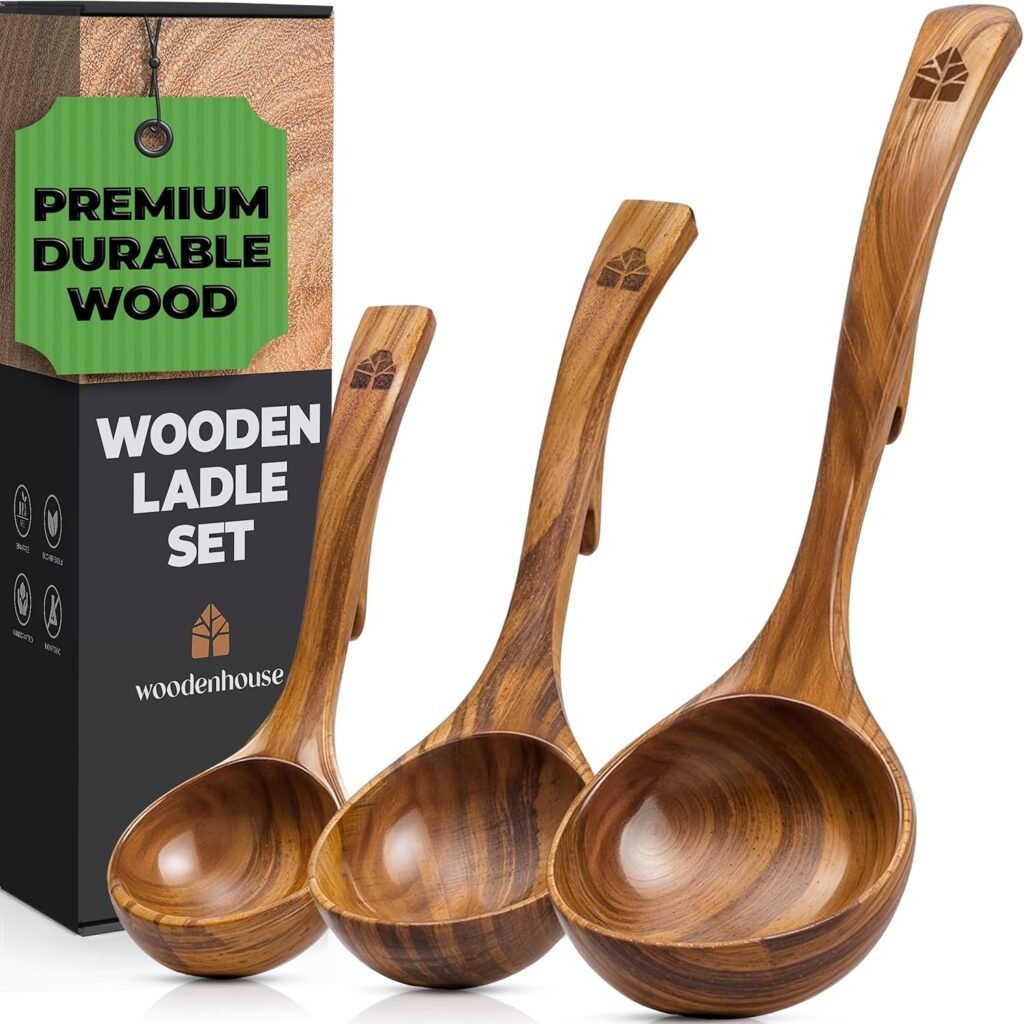
I used to get so frustrated with metal ladles that would burn my hand or plastic ones that slid into the soup. Fishing a slippery, hot handle out of a boiling pot was a messy, constant struggle.
Switching to these teak ladles changed everything. The solid wood stays cool, and those back hooks are lifesavers—they keep the spoons securely on the rim. The smooth finish lets me scrape my non-stick pots without any fear of scratching.
If you make a lot of stews, you’ll love having three sizes. It feels like a professional setup that keeps my kitchen organized and my hands safe. It’s a durable, high-quality upgrade that makes serving effortless.
16. 8 Piece Teak Wooden Cooking Spoons Set

I use this eight-piece teak wooden cooking spoon set daily. The spoons feel balanced, edges stay smooth, and nothing flexes or reacts under steady heat.
The spatula, scraper, pasta spoon, rice paddle, and tongs cover routine cooking without switching tools or worrying about scratching nonstick or steel cookware.
After months of use, the sanded finish remains comfortable, handles dry quickly, and the teak hasn’t held odors or roughened the way softer woods usually do.
17. Fletcher’s Mill 12-Inch Maple French Rolling Pin

Standard rolling pins with handles often apply uneven pressure, leading to dough that is thicker in the middle. The lack of tactile feedback makes it hard to feel the dough’s true consistency.
The Fletcher’s Mill Maple Pin allows for direct hand contact, providing incredible sensitivity and control. The smooth maple movement makes it easy to achieve a perfectly thin, even crust every single time.
This rolling pin is best suited for serious bakers and pastry enthusiasts who want a professional-grade maple tool that offers better feedback and control when working with delicate pie doughs.
18. RSVP International Endurance Olive Wood Pasta Fork

Using a standard spoon or tongs to serve spaghetti often results in a tangled mess and broken noodles. It is a clumsy process that makes portioning pasta for guests quite difficult.
The RSVP Endurance Olive Wood Fork grips pasta securely with its tined head. The olive wood material provides a natural, non-slip texture that improves movement and access to the pasta pot.
This fork is best suited for pasta lovers who cook long noodles frequently and want a dedicated, elegant olive wood tool that makes serving spaghetti or linguine a clean, simple task.
19. Totally Bamboo 3-Piece Flat-Edge Turner Set

Cooking with round-edged tools in square pans makes it impossible to reach the corners, leading to burnt edges. This lack of access creates frustration and uneven cooking results in griddles.
The Totally Bamboo Flat-Edge Set fits perfectly into pan corners, ensuring every bit of food is moved. The thin bamboo profile allows for better movement under food, making flipping and stirring faster.
This set is best suited for those who use square griddles or roasting pans frequently and need a bamboo tool set that can reach every corner to prevent sticking and burning.
20. Wooden utensils white handles
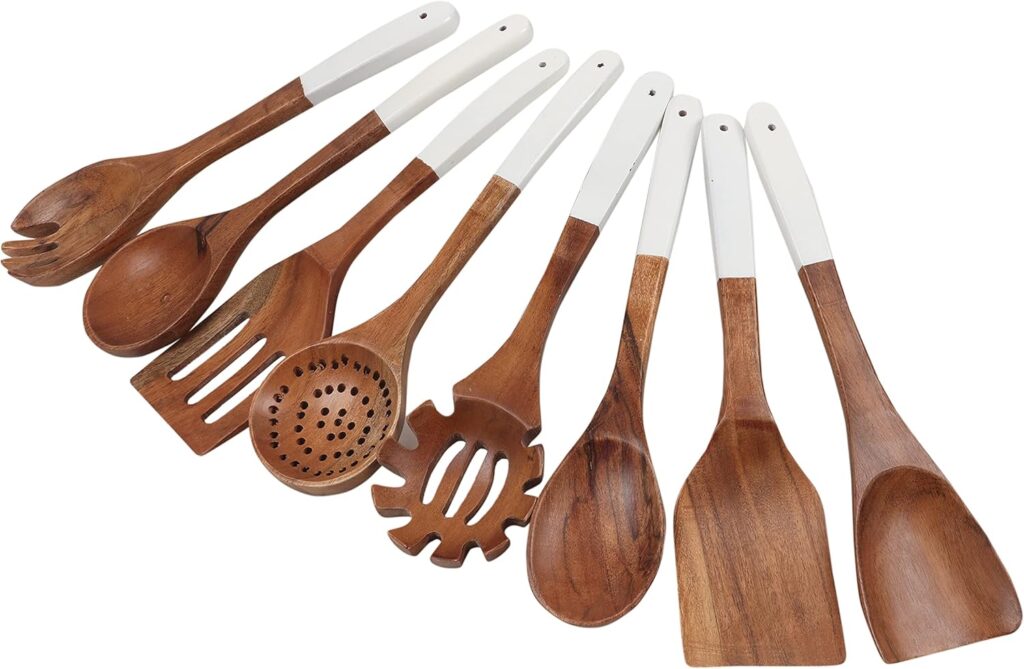
I’ve used this six-piece acacia wooden spoon set regularly for everyday cooking. The spoons feel light but controlled, and the grip stays comfortable during longer stirring sessions.
They work well across nonstick and stainless cookware. I don’t hear scraping, and I don’t adjust pressure while cooking. The hanging holes make storage simple and predictable.
Over time, the acacia has held its shape and surface. It hasn’t absorbed odors, roughened at the edges, or needed frequent attention beyond normal washing.
How to Choose the Right Wooden Kitchen Utensils
Focus first on the wood species, as this dictates the tool’s lifespan. Teak is highly water-resistant due to its natural oils, while maple is incredibly hard and resistant to splintering. Acacia offers a beautiful grain at a great value.
Check the handle length and shape to ensure it fits your cooking style. Long handles are better for large pots and high heat, while shorter, contoured handles offer more control for delicate tasks like whisking or folding.
Finally, prioritize single-piece construction. Utensils carved from a single block of wood are significantly stronger than those glued together, as they lack weak points that can snap or harbor bacteria under heavy use.
| Product | Product Image | Wood Type & Utensil Design | Key Features & Construction | Best Kitchen Use & Fit | Buy Now |
|---|---|---|---|---|---|
| FAAY Teak Wooden Spoon Set |  | • Teak wood • Spoon set • Solid construction | • Rigid & moisture-resistant • Heavy-duty stirring • Natural heat resistance | • Thick stews • Chili & risotto • Large family meals | Buy Now |
| OXO Good Grips 3-Piece Wooden Spoon Set | 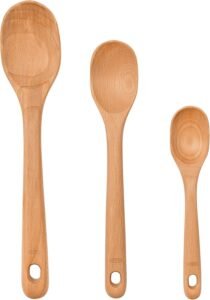 | • 3-piece set • Solid beech wood • Contoured handles | • Ergonomic grip • Comfortable handling • Better control | • Daily cooking • Smaller hands • Long cooking sessions | Buy Now |
| Le Creuset Venus Small Silicone Spatula with Wood Handle |  | • Wood handle • Silicone head • Hybrid design | • Flexible scraping • Rigid handle • Non-slip grip | • Baking • Sauces • Tight corners | Buy Now |
| Neet Organic Bamboo Cooking Utensils (6-Piece) | 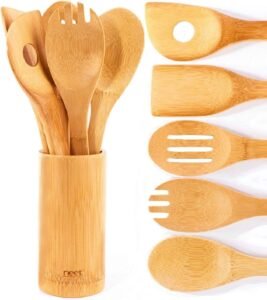 | • 6-piece set • Organic bamboo • Lightweight | • High heat resistance • Non-stick safe • Smooth surface | • Budget kitchens • Students • Everyday basics | Buy Now |
| Earlywood Large Flat Sauté Tool | 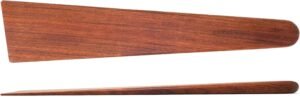 | • Hardwood sauté tool • Flat-edge design • Heavy-duty build | • Scrapes pan bottoms • Flips & stirs • Multi-purpose | • Cast iron • Stainless steel • High-heat sautéing | Buy Now |
| Mad Hungry 4-Piece Original Spurtle Set | 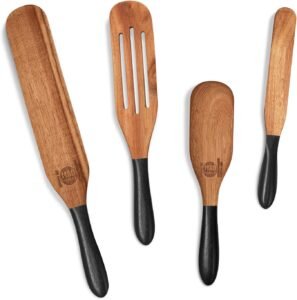 | • 4-piece set • Acacia wood • Spurtle design | • Whisk & spoon functions • Narrow-pot access • Space-saving | • Oatmeal & stews • Small pots • Multi-purpose cooking | Buy Now |
| Greener Chef Extra Large Bamboo Chopping Board | 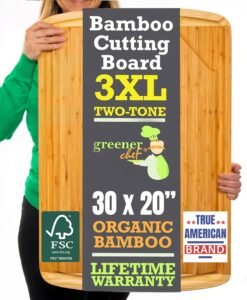 | • Extra-large 30×20 board • Organic bamboo • Butcher-block construction | • Non-abrasive surface • Heat resistant • Lifetime replacements | • Turkey & BBQ • Large-scale chopping • Home chefs | Buy Now |
| Eddingtons Italian Olive Wood Spoon | 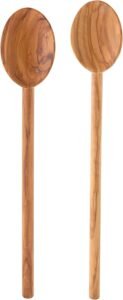 | • Italian olive wood • Handcrafted spoon • Premium grain | • Odor resistant • Stain resistant • Smooth finish | • Stirring • Serving • Culinary enthusiasts | Buy Now |
| Ironwood Gourmet Acacia Wood Salad Hands | 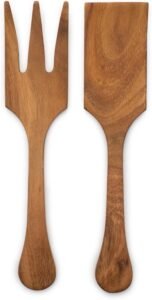 | • Acacia wood • Salad hands • Serving tool | • Gentle tossing • Comfortable handling • Natural texture | • Large salads • Dinner parties • Family serving | Buy Now |
| Berard France Handcrafted Cherry Wood Spatula | 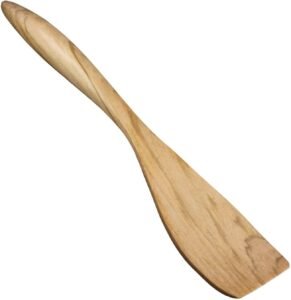 | • Cherry wood • Handcrafted spatula • Tapered edge | • Smooth finish • Balanced weight • Precise scraping | • Baking • Omelets • Delicate foods | Buy Now |
| Universal Wooden Pot Handle | 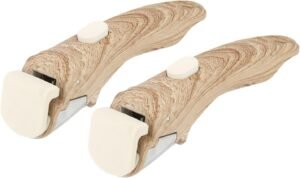 | • Solid hardwood • Replacement handle • Ergonomic shape | • Stays cool • Non-slip grip • Heat resistant | • Heavy pots • Pan handling • Cookware upgrades | Buy Now |
| Natural Foldable Black Walnut Wooden Trivet Set | 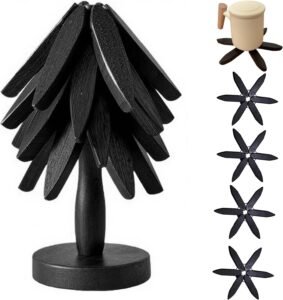 | • Black walnut • Foldable trivet set • Vertical stand | • Gravity-sensing design • Heat-resistant shield • Compact storage | • Hot pots & teapots • Table protection • Counter space saving | Buy Now |
| Wooden Measuring Cups and Spoons Set – Solid Acacia Wood | 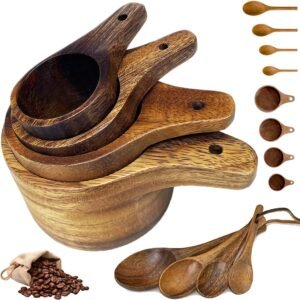 | • 8-piece set • Solid acacia wood • Nesting design | • Laser-engraved markings • Stain resistant • Durable construction | • Baking • Dry ingredients • Space-saving storage | Buy Now |
| Woodard & Charles Olive Wood Honey Dipper |  | • Olive wood • Honey dipper • Grooved design | • Deep honey grooves • Controlled drizzle • Warp resistant | • Tea & honey • Baking • Mess-free serving | Buy Now |
| Wooden Ladle for Soup, 3 Size Teak Wood Ladle Spoon | 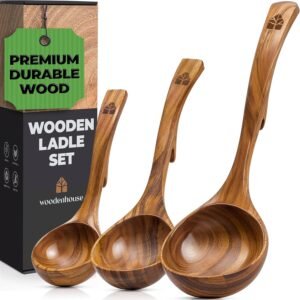 | • 3-size set • Teak wood • Soup ladles | • Cool-touch wood • Back hooks • Non-stick safe | • Soups & stews • Large pots • Serving | Buy Now |
| 8 Piece Teak Wooden Cooking Spoons Set | 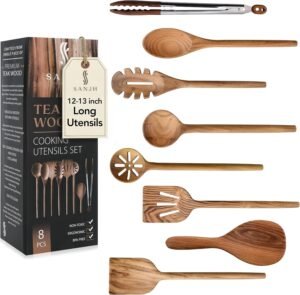 | • 8-piece set • Teak wood • Mixed utensils | • Spatula & scraper • Pasta spoon & rice paddle • Tongs | • Daily cooking • Non-stick & steel cookware • Routine prep | Buy Now |
| Fletcher’s Mill 12-Inch Maple French Rolling Pin |  | • 12-inch rolling pin • Maple wood • French design | • Direct hand contact • Smooth movement • Precise pressure control | • Pie dough • Pastry • Serious bakers | Buy Now |
| RSVP International Endurance Olive Wood Pasta Fork |  | • Olive wood • Pasta fork • Tined head | • Secure pasta grip • Natural non-slip texture • Easy serving | • Spaghetti • Linguine • Pasta lovers | Buy Now |
| Totally Bamboo 3-Piece Flat-Edge Turner Set | 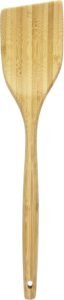 | • 3-piece set • Bamboo • Flat-edge profile | • Reaches pan corners • Thin profile • Easy flipping | • Square griddles • Roasting pans • Preventing sticking | Buy Now |
| Wooden utensils white handles | 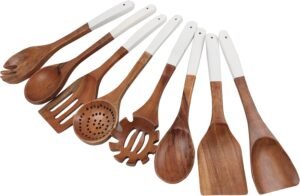 | • 6-piece acacia set • White handles • Lightweight design | • Comfortable grip • Hanging holes • Non-stick friendly | • Everyday cooking • Non-stick & stainless • Easy storage | Buy Now |
Wooden Kitchen Utensils vs Alternatives
Compared to silicone, wood offers the rigidity needed for heavy-duty tasks like stirring thick doughs. While silicone is flexible, wood provides the structural strength to scrape and lift heavy ingredients without bending or bouncing.
Metal tools are durable but can easily damage non-stick and ceramic surfaces. Wood provides a “safe” strength—it is firm enough to scrape a pan’s bottom but soft enough to never leave a scratch on your investment.
Plastic is the least favorable option, as it can melt and leach chemicals when exposed to heat. Wood is a natural, biodegradable alternative that outlasts plastic by years, making it a more sustainable and safer long-term choice.
Are wooden kitchen utensils sanitary?
Yes. Wood has natural antimicrobial properties that trap and kill bacteria by depriving them of moisture and oxygen. They are actually more hygienic than plastic, which can hide bacteria in deep surface cuts.
Can I use wood with raw meat?
Yes, but wash them immediately in hot, soapy water. It is best practice to have a separate “meat spoon” and “veggie spoon” to prevent any risk of cross-contamination during meal preparation.
How do I stop wood from smelling like garlic?
Rub the wood with a cut lemon and salt to neutralize odors. The acid breaks down the oils that carry the scent, and the salt acts as a gentle abrasive to lift them out.
Why is my wooden spoon turning grey?
Greying is a sign of extreme dryness. When wood is washed frequently without being oiled, it loses its protective finish. A light sanding and a fresh coat of mineral oil will restore it.
Is bamboo better than hardwood?
Bamboo is a sustainable grass, but it is generally less durable. Hardwoods like teak and maple are denser and less prone to splintering, making them a better choice for heavy daily use.
What oil should I use for maintenance?
Use food-grade mineral oil or butcher block conditioner. Avoid vegetable or olive oils, as these can go rancid over time and create a sticky, bad-smelling residue on your tools.
How long do wooden utensils last?
If hand-washed and oiled, a quality hardwood utensil can last 20 years or more. They are one of the few kitchen tools that truly become better and more personalized with long-term use.
FAQs
Maintenance & Care Tips
Never put wooden utensils in the dishwasher. The intense heat and chemicals strip the natural oils and cause the wood to warp and crack. Always hand-wash with mild soap and dry them immediately.
Apply a thin layer of food-grade mineral oil every few months. This “seals” the wood, preventing it from absorbing water or odors and keeping the surface smooth and comfortable in your hand.
If your tools become rough or stained, you can lightly sand them with fine-grit sandpaper. This simple refresh, followed by a coat of oil, can make a decades-old wooden spoon look and feel brand new.