
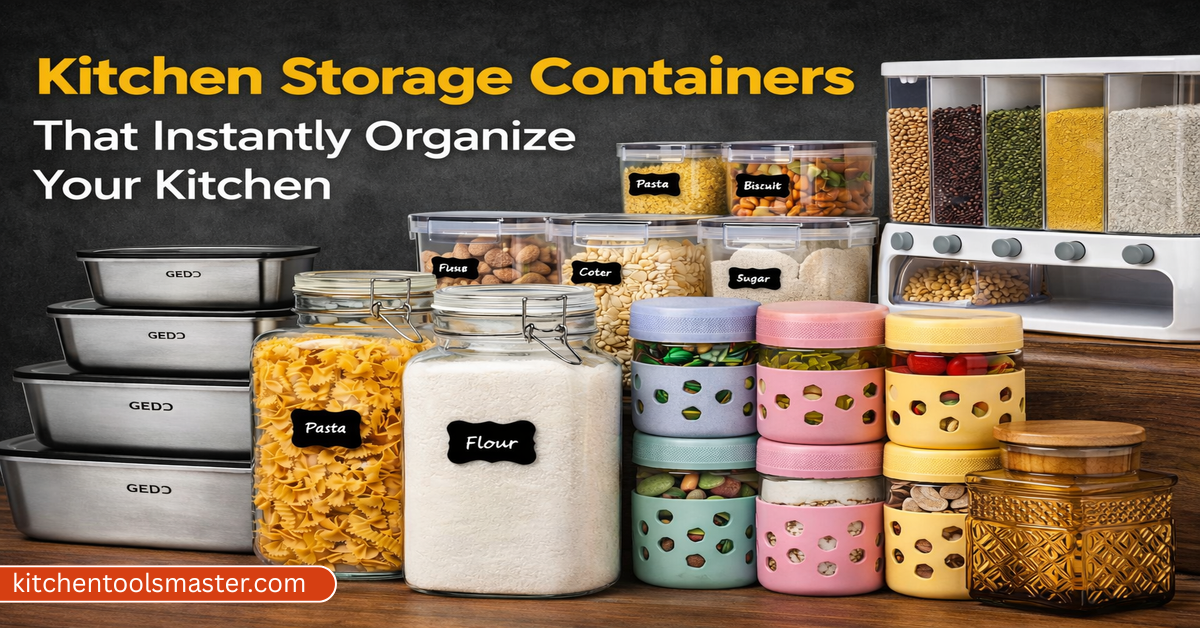
8 Kitchen Storage Containers That Stay Organized
Kitchen storage containers often feel like a basic purchase, but their impact shows up over time, not immediately. In kitchens that cook daily, packaging breaks down quickly—bags collapse, boxes tear, and shelves turn messy faster than expected.
After years of organizing real kitchens, one pattern stands out: kitchens stay usable when food is visible, contained, and easy to return to place.
Kitchen storage containers aren’t about making shelves look tidy. They’re about reducing friction—faster access, easier restocking, and fewer forgotten items pushed to the back.
Why Original Packaging Fails in Everyday Kitchens
Original food packaging is designed for transport, not long-term storage. Once opened, bags lose structure, boxes dent, and labels disappear behind folds. Over time, shelves become uneven and items slide into one another.
Kitchen storage containers solve that problem by creating consistent shapes. When containers stack evenly and hold their form, shelves stay usable longer.
Visibility improves, spills decrease, and restocking becomes simpler. These benefits compound with daily use, which is why experienced cooks rely on containers rather than packaging.
Kitchen Storage Containers
1. Vtopmart 32-Piece Airtight Food Storage Containers Set

These kitchen storage containers are designed to bring order to pantry shelves by replacing mismatched bags and boxes with a uniform, stackable system. The different container sizes make it easy to separate cereals, baking ingredients, snacks, and dry staples without wasting vertical space.
In everyday use, the side-locking lids seal tightly with a silicone gasket, keeping flour and grains dry while still opening smoothly during frequent refills. Clear plastic walls remove guesswork, so contents and quantities are visible at a glance—no unnecessary opening and closing.
They store neatly in cabinets or pantries, stacking securely without shifting. This set works well because it standardizes storage, reduces clutter, and keeps dry food fresh longer with minimal effort.
2.GEDO Stainless Steel Food Storage Containers with Lids (4-Piece Set)

If plastic isn’t your preference, these kitchen storage containers offer a more durable, long-term alternative. The stainless steel construction feels solid in hand and holds up well to daily use, whether you’re storing leftovers, prepping ingredients ahead of time, or packing meals for work.
What stands out in real use is how well these containers stack. The flat-bottom design keeps them stable in the fridge, preventing that annoying sliding or tipping you get with lightweight plastic boxes. The press-to-seal lids close securely, which makes them reliable for saucy foods without worrying about leaks.
These containers replace disposable takeaway boxes and flimsy plastic meal prep containers. They’re easy to rinse clean, don’t retain odors, and transition smoothly between refrigerator storage and reheating. For anyone aiming for a more minimal, clutter-free kitchen setup, this set fits naturally into everyday routines.
3. SAIOOL Glass Jars with Airtight Lids (Set of 4)

These glass kitchen storage containers are designed for visibility and accessibility—two things that matter more than people realize in daily cooking. The clear borosilicate glass makes it easy to spot contents instantly, whether you’re grabbing rice, sugar, pasta, or snacks.
The standout detail here is the handled wooden lid. In practice, it makes opening and closing the jars effortless, especially when your hands are busy or slightly wet. The jars sit well on countertops or open shelves, which makes them ideal for frequently used dry goods rather than deep pantry storage.
They replace bulky packaging and mismatched jars with a cleaner, more intentional system. Because they look good while doing their job, these containers naturally encourage better organization—you’re more likely to refill and maintain them instead of letting clutter creep back in.
4. Prettidecor Glass Storage Canister with Airtight Lid (20.3 oz)

This is a kitchen storage container that balances function with visual appeal. The thick glass construction feels sturdy, while the airtight lid keeps contents fresh without needing excessive force to seal. It works especially well for coffee beans, treats, or snacks you reach for daily.
In real use, the wide mouth makes refilling and cleaning easy—no awkward angles or trapped residue. The size is practical enough to live on the counter without taking over valuable space, which makes it a good alternative to large canisters that end up shoved into cabinets.
This jar replaces disposable containers, bags, and cluttered coffee bar accessories. It keeps small essentials contained, visible, and fresh, while also contributing to a more organized and intentional kitchen setup.
5. ComSaf 1.1 Gallon Glass Jar with Airtight Lid (Set of 2)
For bulk kitchen storage containers, this ComSaf 1.1-gallon glass jar set solves a problem that smaller containers simply can’t—storing large quantities cleanly, safely, and without constant refilling. These jars are built for staples like rice, flour, sugar, oats, or even pickled items, where capacity and sealing matter more than aesthetics alone.

In everyday use, the hinged airtight lid with a silicone gasket makes a noticeable difference. Once locked, it keeps moisture, pests, and air out, which is especially important for long-term dry storage and fermentation-style uses. Unlike flimsy lids that loosen over time, this closure feels secure and reliable, whether the jar sits on a pantry shelf or countertop.
The thick, food-grade glass gives these containers real weight and durability. The square profile fits efficiently into pantry layouts, wasting less space than round jars, while the wide mouth makes scooping, pouring, and cleaning straightforward. These jars replace oversized bags, plastic bins, and makeshift storage solutions with a cleaner, more organized system that’s easy to maintain day after day.
For kitchens that buy in bulk or prefer fewer, larger kitchen storage containers, this set earns its place by reducing clutter, minimizing refills, and keeping essentials fresh and visible at all times.
6. Gemice 8-Pack Glass Overnight Oats Kitchen Storage Containers (10oz & 16oz)
When it comes to portion-controlled kitchen storage containers, these Gemice glass jars fill a gap that bulky pantry containers can’t. They’re designed for daily routines—overnight oats, yogurt parfaits, chia pudding, sauces, or snack prep—where visibility, sealing, and durability matter more than size alone.

The first thing you notice in real use is the silicone sleeve. It’s not just decorative—it adds grip when hands are wet, absorbs minor drops, and makes glass containers practical for everyday handling. This is especially useful for refrigerators packed edge-to-edge or busy mornings when jars get moved quickly.
Freshness is handled properly here. The twist-on lids paired with silicone gaskets create a tight seal that prevents leaks and keeps ingredients from absorbing fridge odors. That makes these containers reliable for both short-term meal prep and overnight storage, without resorting to plastic wrap or disposable containers.
What makes these stand out among kitchen storage containers is versatility. The mixed 10-oz and 16-oz sizes cover breakfasts, snacks, and sauces in one set, while the freezer-safe glass and dishwasher-safe design keep cleanup simple. They replace disposable cups, mismatched jars, and flimsy plastic containers with a consistent, reusable system that fits naturally into daily kitchen habits.
CHEFSTORY Airtight Kitchen Storage Containers Set (8-Piece)
This CHEFSTORY set covers the everyday reality of kitchen storage containers: different foods need different sizes, but they still need to work together visually and practically. With four container sizes in one system, it eliminates the common mix-and-match problem that makes pantries look cluttered even when they’re organized.

In daily use, the airtight locking lids make a noticeable difference. Flour stays powder-dry, cereal doesn’t go stale halfway through the box, and sugar doesn’t harden from moisture. The silicone gasket seals tightly without needing force, which matters when containers are opened and closed multiple times a day.
The stackable shape is where these containers quietly earn their place. They line up cleanly on pantry shelves and in cabinets, making vertical space usable instead of wasted. Whether they’re stored deep in a cupboard or kept on the counter, the clear plastic lets you see contents instantly—no guessing, no extra labels needed unless you want them.
As kitchen storage containers, this set replaces flimsy food bags, half-used boxes, and mismatched jars with a unified system. The BPA-free plastic is light enough for daily handling but sturdy enough to hold bulk staples, while the included reusable labels make it easy to rotate contents as your pantry changes.
8. Juvenixs Sealed Wall-Mounted Food Storage Box (5-Grid, 25 lb Capacity)

This Juvenixs sealed food storage box tackles one of the biggest kitchen storage container problems: bulky dry goods eating up shelves and counter space. By moving rice, beans, lentils, and grains onto the wall, it frees up lower cabinets and pantry shelves that are usually clogged with heavy jars and sacks.
In everyday use, the five separate grids make portioning simple and clean. Each compartment dispenses independently, so you’re not opening one large bin every time. The airtight seal noticeably slows staleness—rice stays dry, beans don’t pick up moisture, and pantry pests are far less of a concern compared to open containers or loose bags.
Installation is where this system fits naturally into daily kitchen routines. Mounted on the wall near the prep area or pantry zone, it keeps staples within arm’s reach while cooking. The included measuring cup turns dispensing into a quick scoop-and-pour step instead of lifting heavy containers on and off shelves.
As a kitchen storage container solution, this replaces multiple jars, sacks, and bins with one vertical system. It works especially well in small or busy kitchens where floor and shelf space matter more than ever, offering high capacity without visual clutter or constant reorganizing.
What Makes Kitchen Storage Containers Work Long-Term
Not all containers perform the same over time. The ones that last tend to share a few qualities.
They stack cleanly without slipping.
They seal well enough to preserve food, not just cover it.
They’re easy to open and close during busy cooking moments.
They clean easily without trapping residue.
When containers add steps—hard-to-open lids or awkward shapes—they eventually get bypassed. Good kitchen storage containers disappear into the routine instead of interrupting it.
Types of Kitchen Storage Containers and Where They Perform Best
Different container styles solve different problems.
Airtight kitchen storage containers work best for pantry staples like flour, rice, cereal, and snacks. They prevent spills and keep food fresh longer.
Glass kitchen storage containers are ideal for leftovers and prep. They handle heat well, resist staining, and move easily from fridge to table.
Plastic kitchen storage containers are lighter and stack efficiently, making them practical for daily use and families.
Stackable kitchen storage containers are especially valuable in small kitchens, where vertical space matters more than shelf width.
Choosing containers based on use—not aesthetics—leads to better long-term results.
Plastic vs Glass Kitchen Storage Containers
Plastic containers are lightweight and often stack more efficiently. They work well for dry goods and daily handling but can stain or retain odors over time.
Glass containers feel heavier but stay clearer and more neutral. They’re better for leftovers, sauces, and reheating. In many kitchens, a mix works best—plastic for pantry storage, glass for fridge and meal prep.
The better option depends on how the container is used, not which material looks better.
Airtight Containers vs Standard Lids
Airtight containers earn their place with dry goods. They prevent moisture, pests, and spills, especially for items bought in bulk.
Standard lids are fine for short-term storage or refrigerated items used quickly. Over time, airtight kitchen storage containers reduce waste and shelf mess, which is why they’re favored for pantry organization.
Are Kitchen Storage Containers Practical for Small Kitchens?
Yes—often more practical than for large kitchens. In smaller spaces, clutter shows immediately. Containers bring structure to shelves that would otherwise feel chaotic.
Food storage containers for small kitchens work best when they stack vertically and stay uniform in size. This allows shelves to be used fully without awkward gaps. The result is more usable space without adding cabinets. Take a peek in small kitchen makeover ideas to organize your kitchen in a most unique way.
How Kitchen Storage Containers Improve Daily Workflow
The biggest improvement isn’t visual—it’s functional. When food is easy to see and easy to put back, cooking becomes smoother.
Over time, containers reduce duplicate purchases, minimize expired food, and make cleanup faster. Instead of reorganizing shelves, items naturally return to place. That self-maintaining quality is what separates good storage from temporary fixes.
Benefits Seen Over Time With Kitchen Storage Containers
- Faster access to ingredients
- Cleaner pantry and fridge shelves
- Fewer spills and messes
- Less food waste
- Easier restocking
- A calmer, more predictable kitchen
The value builds gradually, which is why containers often become a permanent part of organized kitchens.
| Product | Product Image | Container Design & Size | Material & Sealing Features | Best Storage Use & Kitchen Fit | Buy Now |
|---|---|---|---|---|---|
| Vtopmart 32-Piece Airtight Food Storage Containers Set | 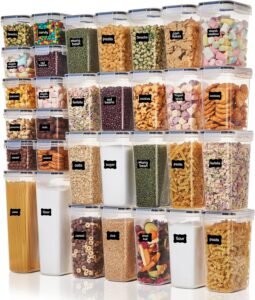 | • 32-piece set • Multiple stackable sizes | • Clear plastic walls • Locking lids + silicone gasket | • Pantry/cabinet dry goods • Cereals, flour & snacks | Buy Now |
| GEDO Stainless Steel Food Storage Containers with Lids (4-Piece Set) | 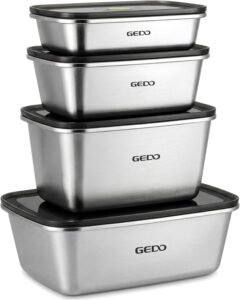 | • 4-piece set • Rectangular containers | • Stainless steel build • Press-to-seal lids | • Leftovers & meal prep • Fridge-to-reheating use | Buy Now |
| SAIOOL Glass Jars with Airtight Lids (Set of 4) | 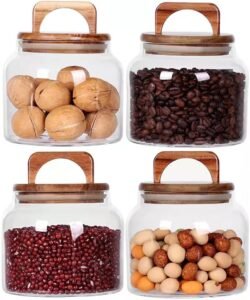 | • Set of 4 glass jars • Clear borosilicate glass | • Airtight handled wooden lids • Easy-open design | • Rice, sugar & pasta • Countertop/open-shelf use | Buy Now |
| Prettidecor Glass Storage Canister with Airtight Lid (20.3 oz) | 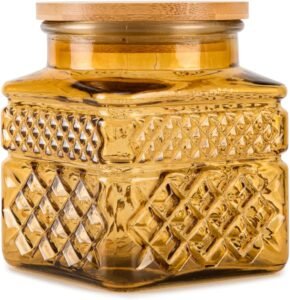 | • 20.3 oz canister • Thick glass construction | • Airtight lid • Wide-mouth opening | • Coffee, treats & snacks • Compact countertop storage | Buy Now |
| ComSaf 1.1 Gallon Glass Jar with Airtight Lid (Set of 2) | 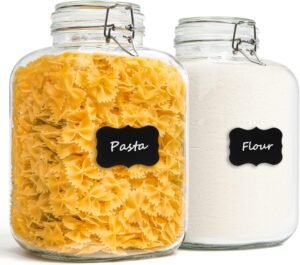 | • 1.1-gallon jars • Set of 2 | • Food-grade thick glass • Hinged airtight silicone-gasket lid | • Rice, flour, sugar & oats • Bulk pantry storage | Buy Now |
| Gemice 8-Pack Glass Overnight Oats Kitchen Storage Containers (10oz & 16oz) | 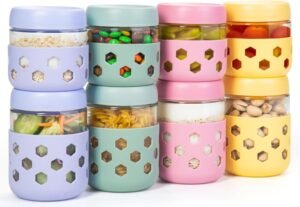 | • 8-pack glass jars • 10 oz & 16 oz sizes | • Silicone sleeves + gaskets • Twist-on lids; freezer safe | • Overnight oats & snacks • Meal prep; dishwasher safe | Buy Now |
| CHEFSTORY Airtight Kitchen Storage Containers Set (8-Piece) | 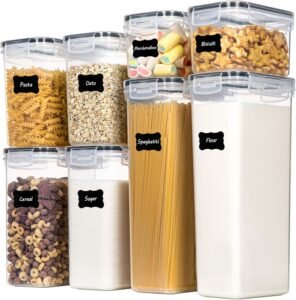 | • 8-piece set • 4 container sizes | • BPA-free clear plastic • Airtight locking lids + labels | • Pantry staples & bulk foods • Stackable shelf/cabinet fit | Buy Now |
| Juvenixs Sealed Wall-Mounted Food Storage Box (5-Grid, 25 lb Capacity) | 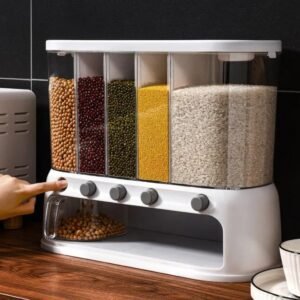 | • 5-grid wall-mounted box • 25 lb capacity | • Separate dispensing compartments • Airtight sealed design | • Rice, beans, lentils & grains • Wall-mounted space saving | Buy Now |
Things to Keep in Mind
Containers require an upfront investment and some adjustment. Decanting food takes time initially, but that effort decreases as habits form.
Buying too many sizes can complicate storage. Kitchens work best when container shapes stay consistent.
Lower-quality lids wear out faster. Choosing fewer, better containers usually performs better long-term than buying large mixed sets.
Common Mistakes Buyers Make With Kitchen Storage Containers
- Buying before measuring shelves
- Choosing appearance over function
- Mixing too many incompatible shapes
- Ignoring lid quality
- Over-decanting rarely used items
- Buying large sets without testing usage
How Experienced Cooks Build a Container System Over Time
Experienced kitchens don’t switch everything at once. They start with problem areas—pantry staples, snacks, leftovers—and expand gradually.
Containers that get used stay. Containers that don’t get used leave. Over time, the system becomes simpler, more uniform, and easier to maintain.
FAQs: Kitchen Storage Containers (Experience-Based)
Do kitchen storage containers actually save space?
Yes, when they stack well. Uniform shapes use shelf space more efficiently than packaging.
Are airtight containers worth it?
For pantry staples, yes. They reduce spills, pests, and food waste over time.
Is glass better than plastic for food storage?
It depends on use. Glass works better for leftovers; plastic works well for dry goods.
How many containers does a kitchen really need?
Enough to cover daily staples and leftovers. More than that often adds clutter.
Do containers make kitchens easier to clean?
Yes. Smooth containers are easier to wipe than shelves covered in loose packaging.
Should everything be decanted into containers?
No. Focus on items that collapse, spill, or are used often.
Conclusion
Kitchen storage containers prove their value quietly, through daily use. They bring structure to shelves, reduce mess, and make food easier to manage without constant reorganization. When chosen with intention and used consistently, they don’t just organize food—they simplify how the kitchen functions.
That long-term reliability is why experienced cooks rely on containers not as décor, but as a practical foundation for an efficient kitchen.